
Expert Advice: What Makes a Great Sports Photo?


Introduction to Sports Photography
Sports photography is a thrilling field that combines the excitement of athletic events with the art of capturing moments that tell a story. Whether you're a seasoned professional or a budding enthusiast, understanding what makes a great sports photo can elevate your work to new heights.
In this post, we'll explore expert advice on the essential elements that contribute to outstanding sports photography. From the technical aspects to the emotional impact, we'll cover everything you need to know to capture images that resonate.

Understanding Timing and Composition
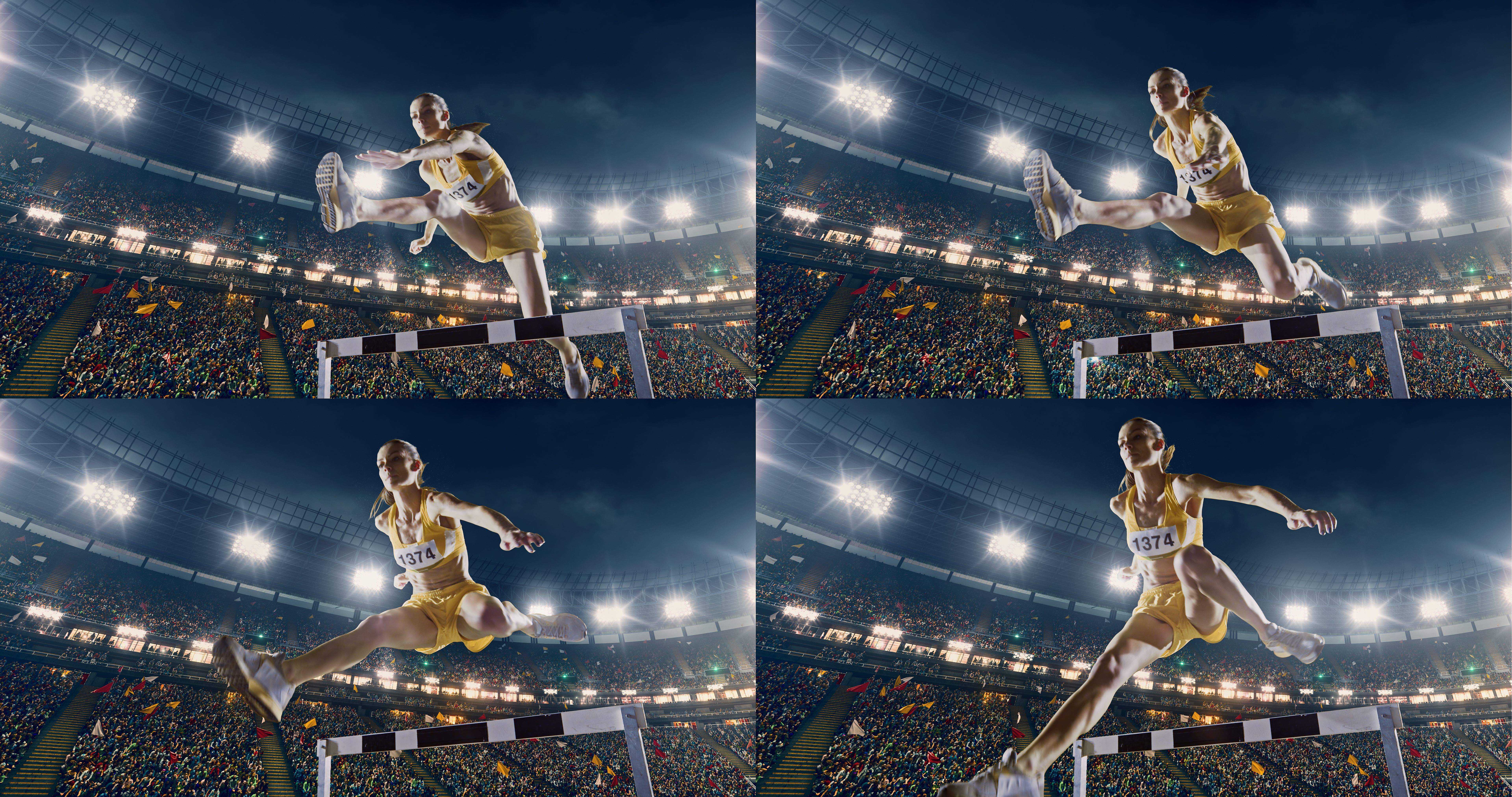
One of the most critical aspects of sports photography is timing. Capturing the perfect moment when an athlete is at the peak of their action can create a powerful image. Great sports photographers have an innate sense of timing, honed through practice and experience.
Composition is equally important. A well-composed image draws the viewer's eye to the subject and conveys the energy of the moment. Consider using techniques like the rule of thirds or leading lines to create dynamic and engaging photos.
Anticipating the Action
A successful sports photographer must anticipate the action. This means understanding the sport and predicting where the decisive moments will occur. Anticipation allows you to position yourself strategically and capture those fleeting moments that make sports photography so exciting.

Utilizing Equipment Effectively
While having the right equipment doesn't automatically make you a great photographer, it does provide you with the tools to succeed. Fast lenses and high-speed cameras can be invaluable in capturing sharp images in challenging lighting conditions.
Understanding your equipment and knowing how to use it effectively is crucial. Familiarize yourself with your camera settings, and be prepared to adjust them quickly as the action unfolds.
Choosing the Right Lens
The choice of lens can dramatically affect the outcome of your photos. Telephoto lenses are often preferred for sports photography, allowing you to capture close-ups of the action even from a distance. However, wide-angle lenses can also be beneficial for capturing the atmosphere of the event.

Capturing Emotion and Storytelling
Beyond action shots, great sports photos often convey emotion and tell a story. Capturing the expressions of athletes, the reactions of the crowd, or the tension in a crucial moment can add depth and meaning to your images.
Consider what story you want to tell with your photos. Whether it's the triumph of victory or the agony of defeat, the emotional impact of your images can resonate with viewers long after the event has ended.
Editing and Post-Processing
Post-processing is an essential part of modern sports photography. Editing allows you to enhance your images, emphasizing the action and emotion. Be mindful not to over-edit; the goal is to enhance the photo while maintaining its authenticity.
Tools like cropping, color correction, and sharpening can help you fine-tune your images to perfection. Experiment with different techniques to find what works best for your style and subject matter.
Conclusion
Great sports photography requires a blend of technical skill, artistic vision, and a deep understanding of the sport. By focusing on timing, composition, equipment, and storytelling, you can capture images that not only document the event but also evoke emotion and tell a compelling story.
Whether you're shooting a local game or a major sporting event, these principles can guide you in creating photos that stand out. Embrace the challenge, and let your passion for sports shine through your work.